
Featured Works
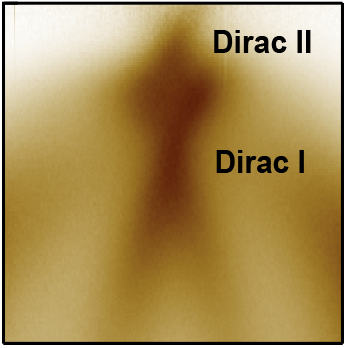
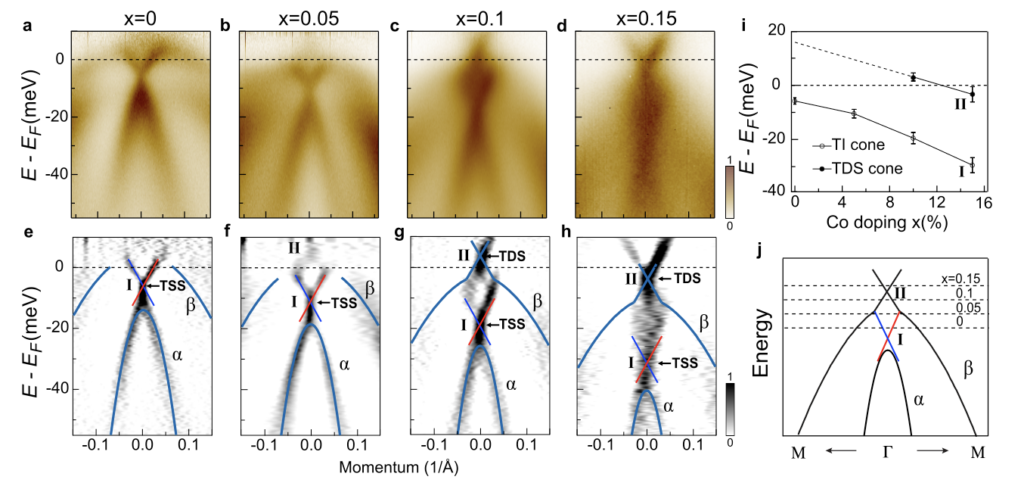
Intertwining correlated topological phases were realized in electron-doped iron-based superconductor Fe(Te,Se).
See JACS 148, 22449 (2026)
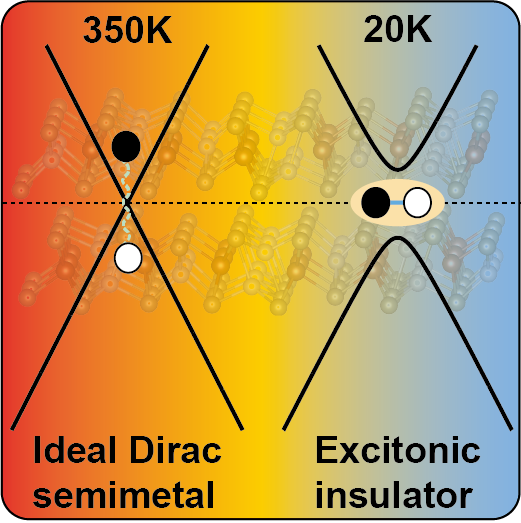
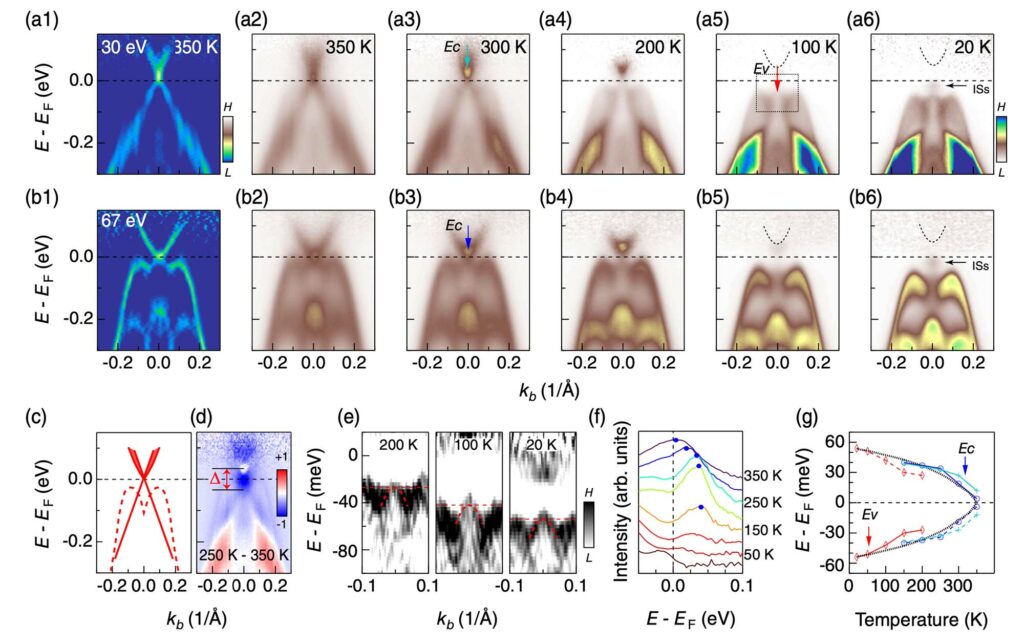
We discovered a new excitonic insulator, which hosts rather clean excitonic states with on entanglement with other transitions.
See Phys. Rev. X. 14, 011047 (2024)
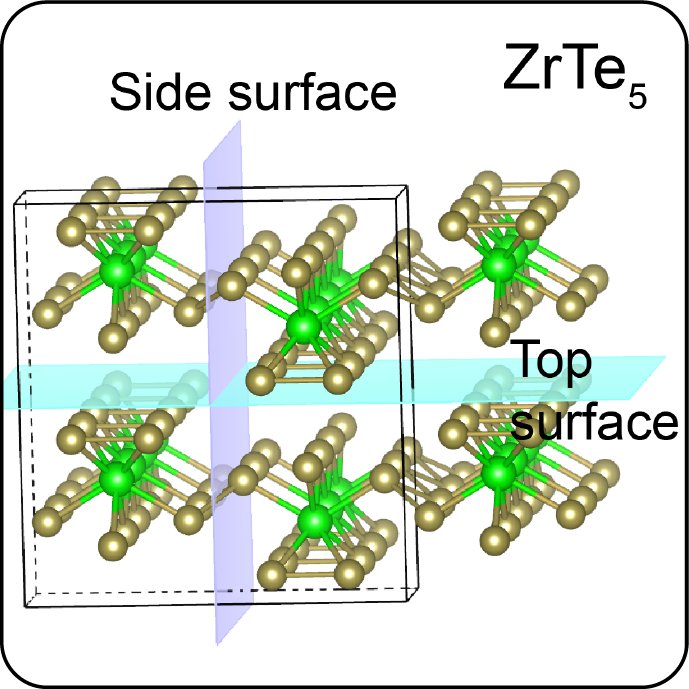 Weak topological surface states are observed on the side surface of ZrTe5. This is the first direct investigation on the side surface.
See Nature Commun. 12, 406 (2021)
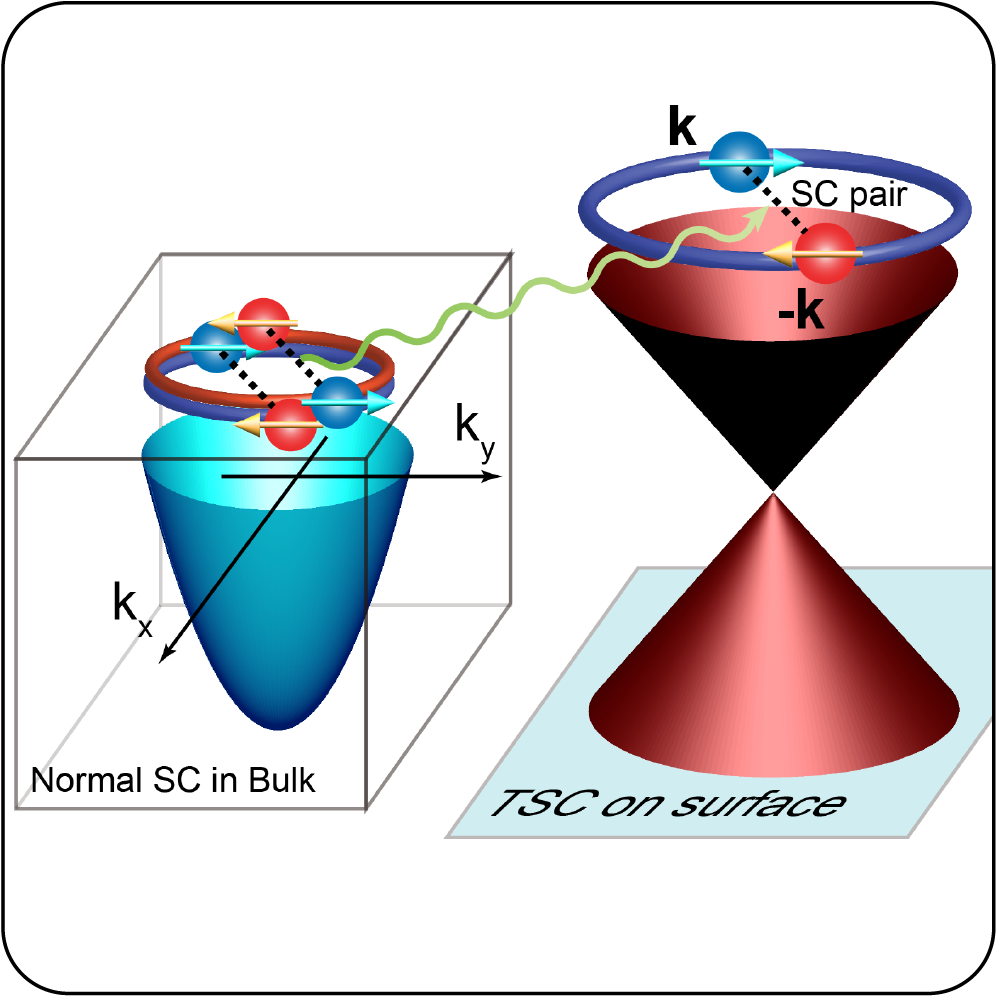
Topological superconductivity was found at the surface of an iron-based superconductor Fe(Te,Se).
See Science 360, 182 (2018)
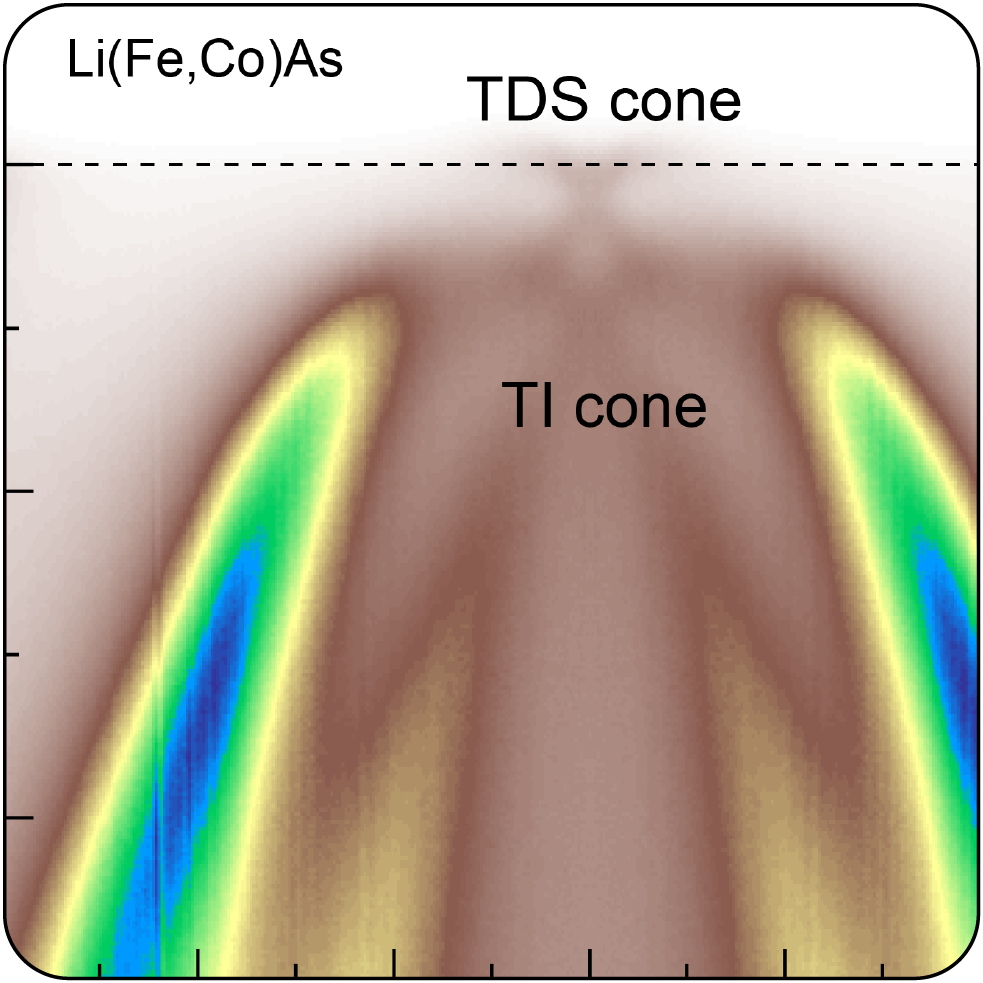
We found multiple topological states exist in different iron-based superconductors.
See Nature Phys. 15, 41 (2019)
News
A New Paper on Intertwining Topological Phases in Iron-Based Superconductor was published on JACS
In this paper, we reveal composition-tunable topological states in Co-doped Fe(Te,Se). By introducing Co doping, the topological surface state and bulk Dirac semimetal state can be continuously shifted toward the Fermi level, allowing different topological phases to coexist and evolve in one superconducting material. This provides a promising platform for studying topological superconductivity and multiple Majorana modes.
Related achievement titled “Evolution of the Intertwining Correlated Topological Phases in Iron-Based Superconductor Fe(Te,Se)” was published in JACS. https://doi.org/10.1021/jacs.5c19995
A new paper on excitonic insulator published on PRX
In this paper, we find a new excitonic insulator candidate, Ta2Pd3Te5. It has the advantage that the excitonic states do not entangle with CDW or structure transition, unlike the previous excitonic cadidates. Thus it is a promising platform to study the excitonic physics.
Related achievement titled “Spontaneous Gap Opening and Potential Excitonic States in an Ideal Dirac Semimetal:Ta2Pd3Te5” was published on PHYSICAL REVIEW X. https://doi.org/10.1103/PhysRevX.14.011047
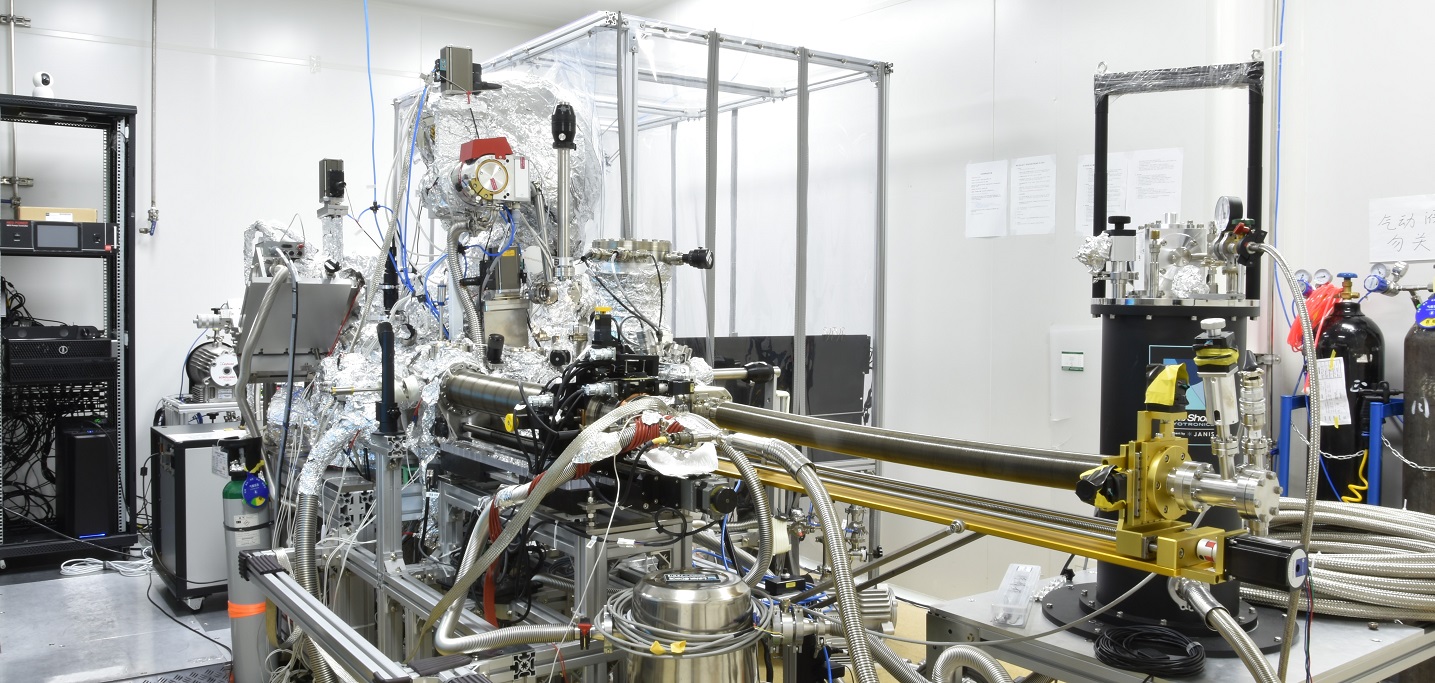
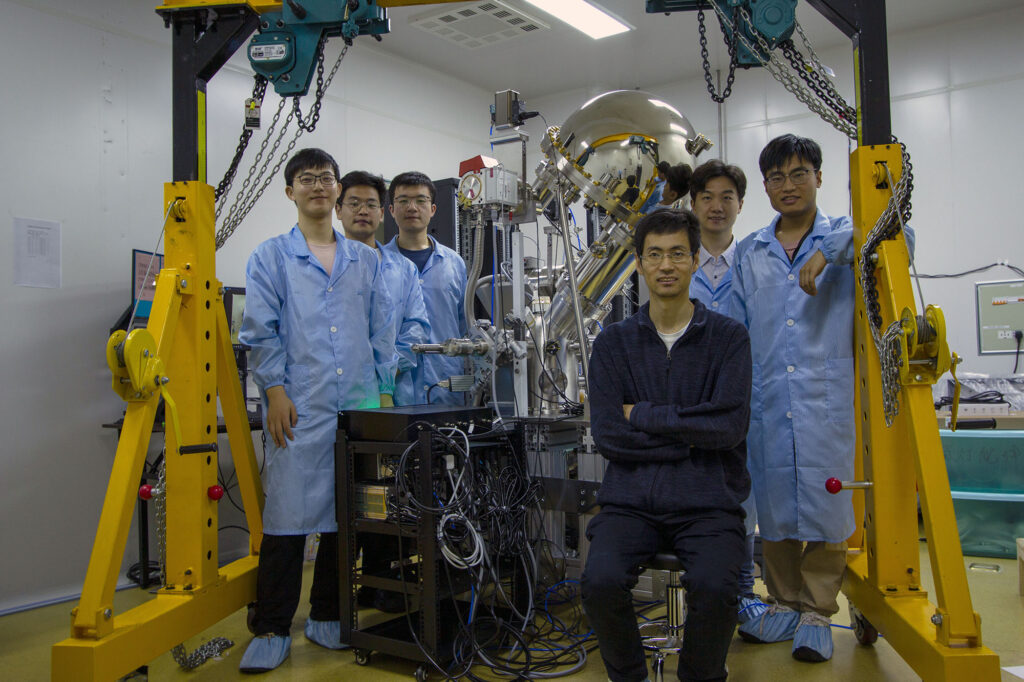
The construction of our ARPES system is basically completed
With the joint efforts of all members, the construction works have been basically finished. Next, we will start to test the analyzer, and to optimize the performance of the whole system.
Trip to the University of Tokyo for Experiments and Collaborations
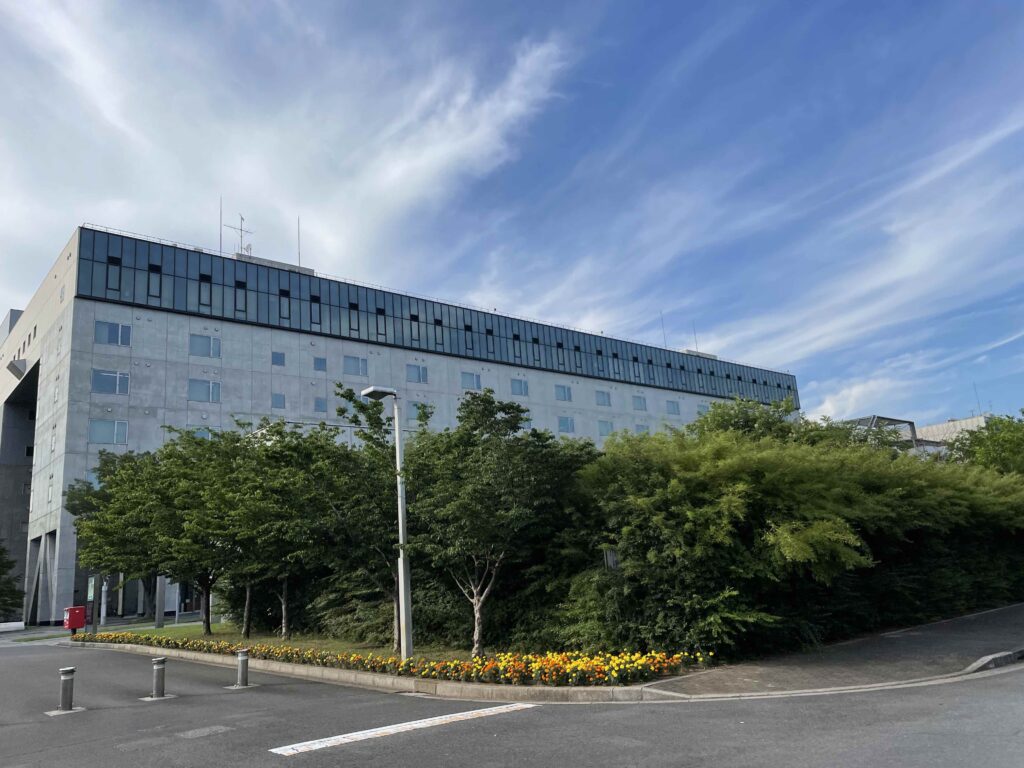
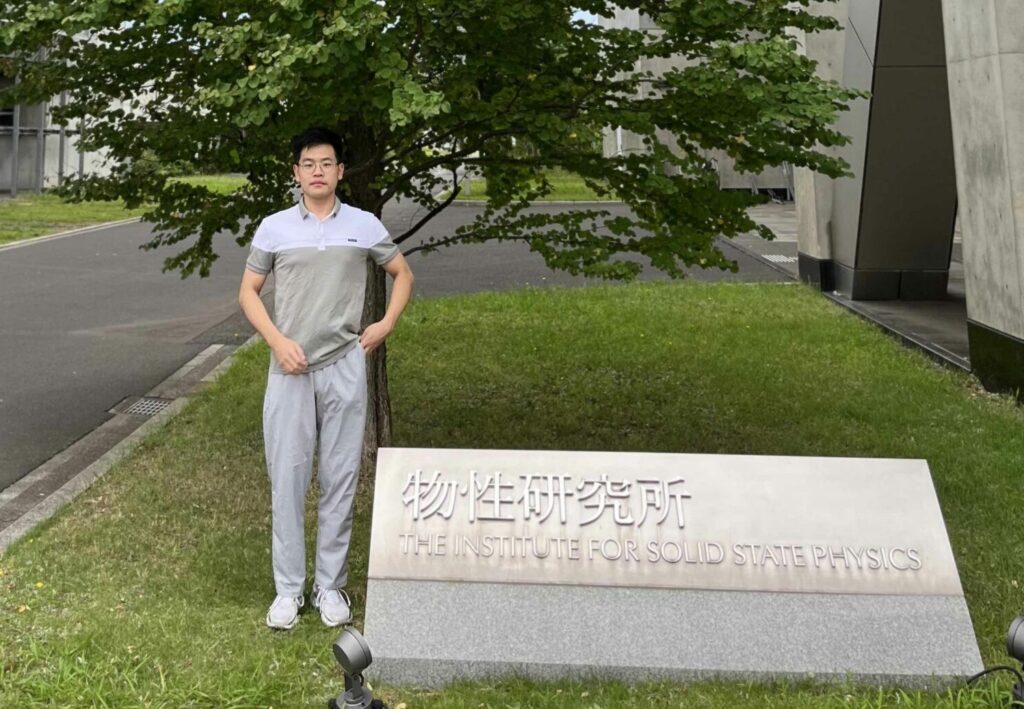
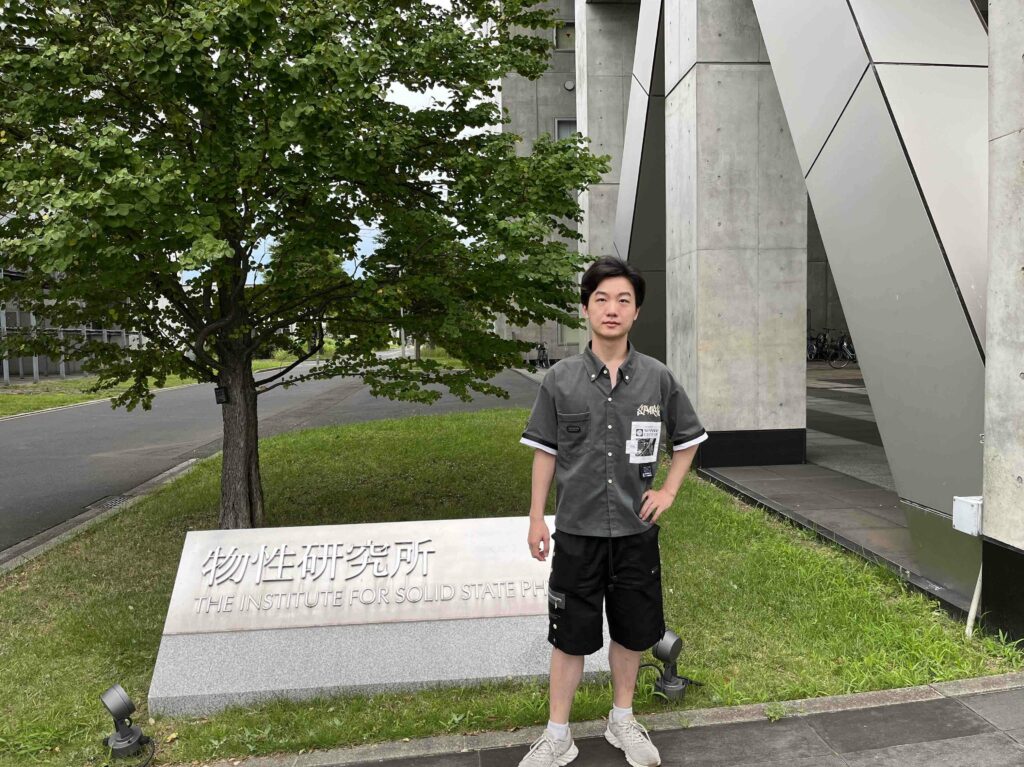
We made a two-week trip to the Institute for Solid State Physics, the University of Tokyo for ARPES experiments. The Institute is located in Kashiwa City, Chiba Prefecture, and specializes in fundamental solid state sciences.
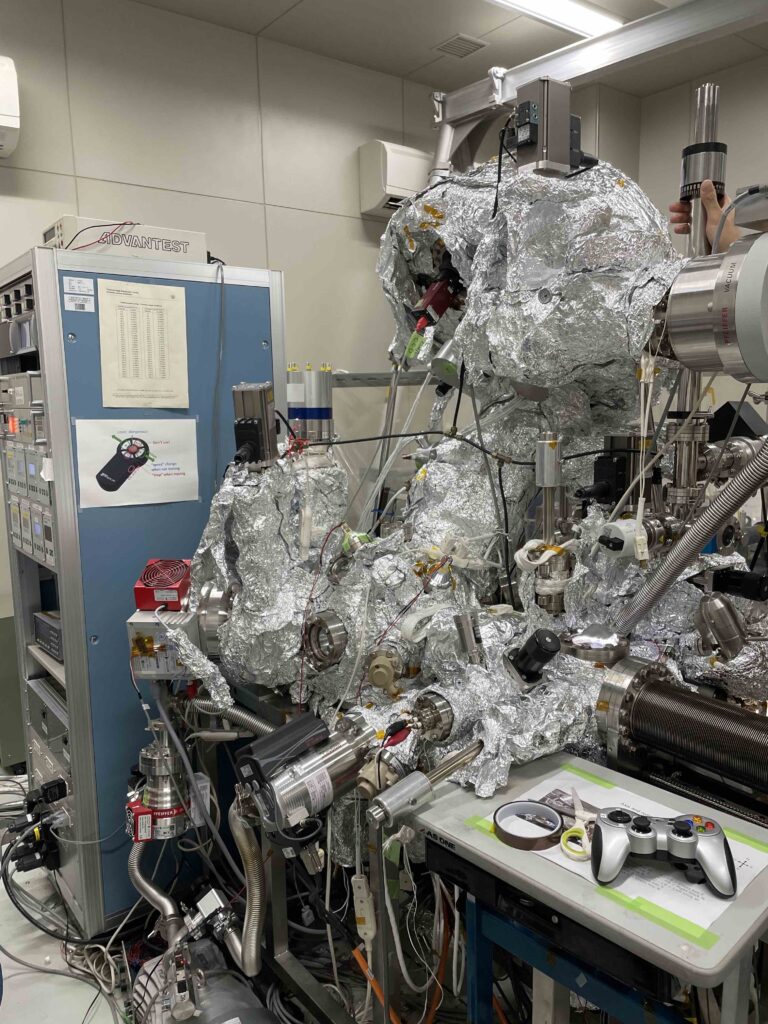
During our visit, we conducted experiments primarily in Professor Kondo’s laboratory and Professor Okazaki’s laboratory, utilizing cutting-edge equipments such as high-resolution ARPES with a 7eV laser, and an ARPES system capable of reaching ultra-low temperatures. Additionally, we had the opportunity to visit facilities dedicated to tr-ARPES and spin-resolved ARPES.